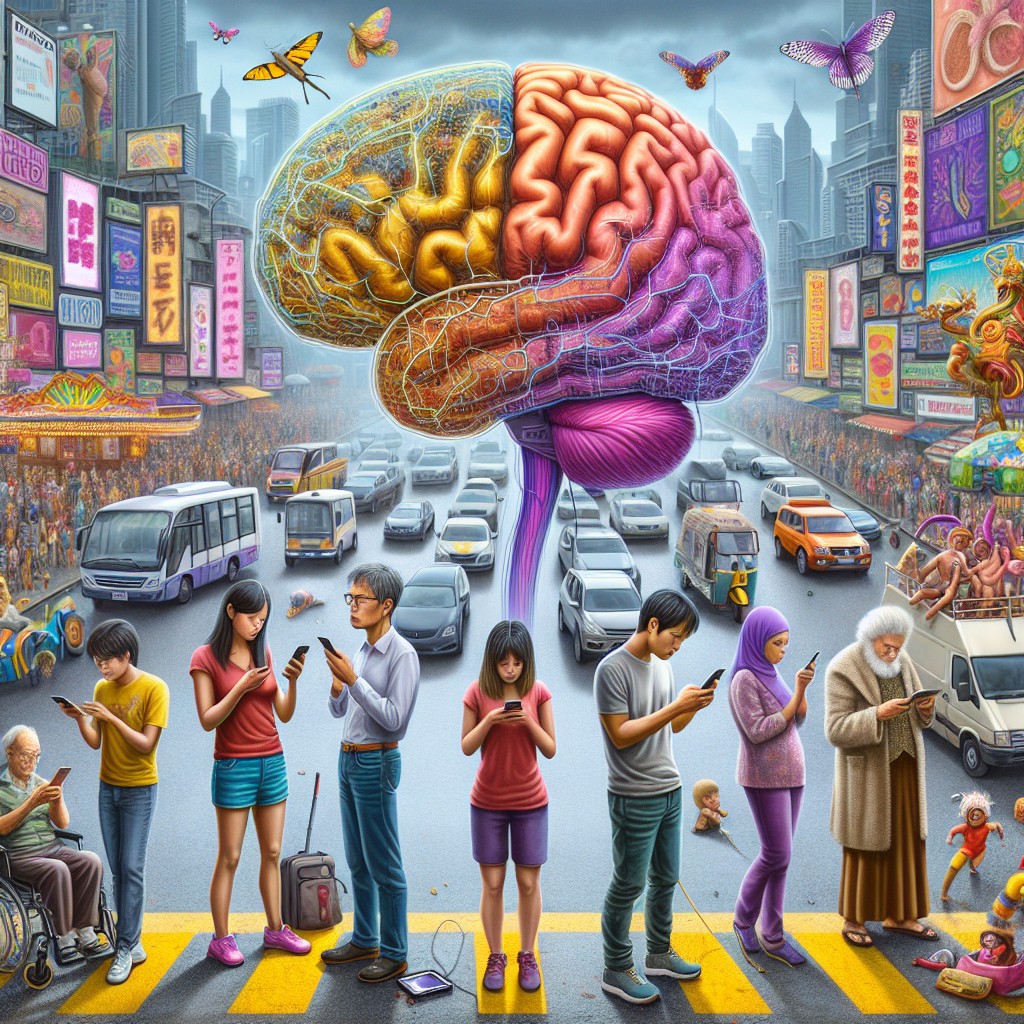
In an era marked by constant digital interruptions and information overload, recent advancements in memory science offer new insights into how the brain processes memory and attention. Scientists are exploring the neurological underpinnings behind our shrinking attention spans and the challenges we face maintaining focus in a distracted world.
Understanding Memory Formation in Modern Contexts
Recent research in memory science highlights how the brain encodes, consolidates, and retrieves information amidst frequent distractions. Neuroscientists have discovered that interruptions, especially those caused by digital devices, disrupt the hippocampus’s ability to form long-term memories effectively. Studies using functional MRI technology have shown that multi-tasking or constant task-switching weakens neural pathways crucial to memory formation and retention.
The Role of Attention in Memory Science
Attention is a fundamental component of how memories are created and stored. Current findings reveal that sustained attention enhances the brain’s ability to encode details accurately, while fragmented attention leads to incomplete or weakened memory traces. Cognitive scientists emphasize that when individuals are distracted, the prefrontal cortex, responsible for executive functions like planning and focus, experiences increased load, diminishing memory consolidation efficiency.
Impact of Digital Distractions on Cognitive Performance
With smartphones and social media accessing attention constantly, research in memory science indicates that these distractions alter brain activity patterns related to memory and focus. A longitudinal study published in 2023 demonstrated that excessive device usage correlates with decreased working memory capacity and impaired attention control. The implications suggest that habitual digital distractions may compound difficulties in learning and daily decision-making processes.
Recent Advances in Brain Imaging and Memory Research
Technological advancements have propelled memory science forward with more precise brain imaging techniques such as high-resolution MRI and electroencephalography (EEG). These tools allow scientists to map neural activity during attention-demanding tasks and memory recall with greater accuracy. Such developments not only improve understanding of memory deficits but also assist in creating targeted interventions to enhance cognitive functions.
Potential Strategies to Mitigate Attention Deficits
Based on recent evidence from memory science, approaches to counteract the negative effects of a distracted environment include mindfulness practices and structured focus sessions. Research suggests that training the brain to manage attention effectively can improve memory retention and reduce the cognitive costs of interruptions. Moreover, limiting exposure to multitasking environments can help maintain optimal brain performance regarding memory and concentration.
As research in memory science continues to evolve, understanding the interplay between attention and memory in today’s digital landscape becomes crucial. Scientists predict growing emphasis on developing personalized cognitive training tools designed to optimize memory and attention capabilities in an increasingly distracted society.
Frequently Asked Questions about memory science
What is the relationship between attention and memory according to memory science?
Memory science shows that attention is essential for effective memory encoding; without adequate attention, memory formation can be significantly impaired.
How do digital distractions affect memory according to current memory science research?
Current memory science research indicates that frequent digital distractions disrupt neural processes involved in memory consolidation, weakening memory performance.
Can memory science inform strategies to improve focus in a distracted world?
Yes, memory science suggests that techniques such as mindfulness and limiting multitasking can help strengthen attention and improve memory retention.
What technological advances are helping memory science understand brain functions better?
Advancements like high-resolution MRI and EEG provide detailed insight into brain activity during attention and memory tasks, enhancing the field of memory science.
Is memory science finding that attention span is decreasing globally?
While memory science confirms that constant distractions challenge attention spans, it focuses more on understanding neural mechanisms and mitigation rather than declaring a global decrease.