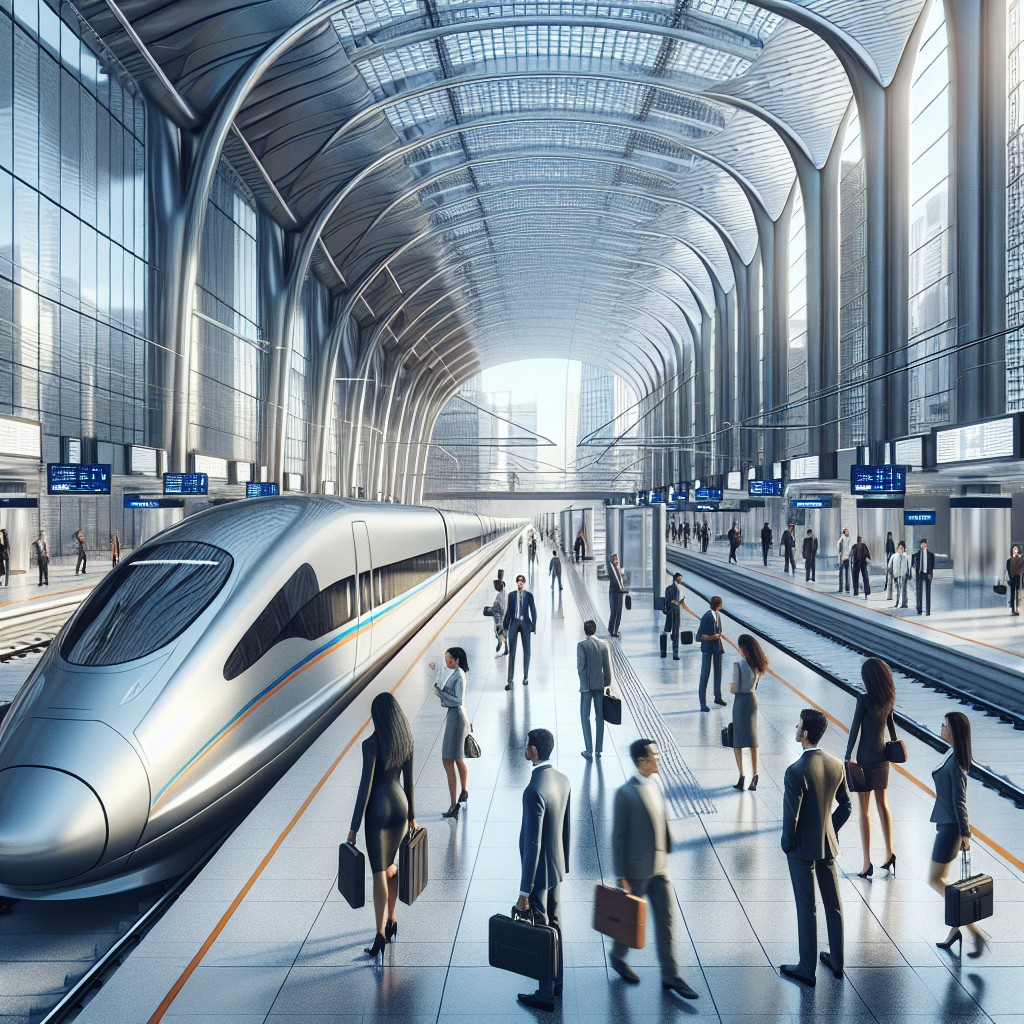
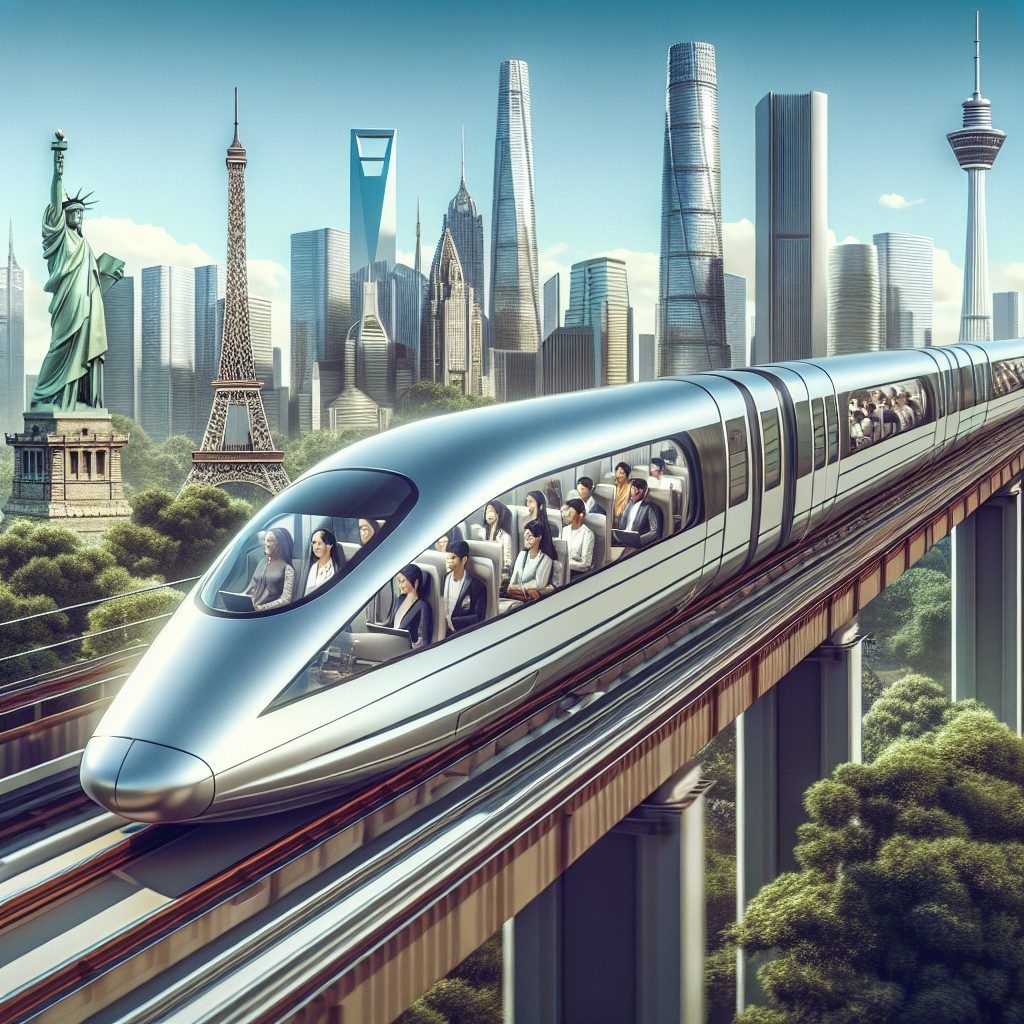
High-speed rail continues to be a pivotal component of modern transportation infrastructure, connecting major cities and regions with unprecedented speed and efficiency. Around the world, several nations have embarked on ambitious projects to expand their high-speed rail networks, aiming to enhance economic growth, reduce carbon emissions, and improve passenger experience. This article analyzes current global developments in high-speed rail expansions and examines key factors contributing to the success of these initiatives.
Current Trends in High-Speed Rail Development
Countries in Asia, Europe, and increasingly in the Americas are actively investing in new high-speed rail lines. China leads with the world’s most extensive network, regularly introducing cutting-edge technology and expanding its coverage to more regions. Europe maintains a well-integrated cross-border high-speed rail system facilitating seamless travel between major capitals. The United States has also made progress with projects such as California’s high-speed rail, although it faces distinct challenges related to funding and regulatory approvals. These global trends highlight a diversified approach to adopting high-speed rail as a sustainable transport alternative.
Technological Innovations Shaping High-Speed Rail
The advancement of train technology plays a crucial role in the successful expansion of high-speed rail networks. Modern trains feature superior aerodynamic designs, lightweight materials, and more efficient propulsion systems, allowing higher speeds with reduced energy consumption. Additionally, improvements in signaling and control systems have enhanced safety and operational reliability. Digital infrastructure, including real-time data integration and predictive maintenance, ensures better performance and passenger satisfaction. Countries investing in these innovations have witnessed smoother project execution and longer-term viability of their high-speed rail lines.
Economic and Environmental Impacts of Expanding High-Speed Rail
High-speed rail expansion brings significant economic benefits by reducing travel times, stimulating regional development, and creating jobs during construction and operation phases. It provides a competitive alternative to air and road travel, often leading to decreased congestion and lower travel costs. Environmental considerations are also paramount; high-speed rail offers a lower carbon footprint per passenger kilometer compared to traditional transport modes. Nations prioritizing sustainable development view high-speed rail as a critical component of their strategies to meet global climate targets, supported by international environmental policies and investments.
Challenges in High-Speed Rail Implementation
Despite its advantages, high-speed rail expansion faces various obstacles. High upfront capital investment, complex land acquisition processes, and stringent regulatory environments can delay projects. Coordination between multiple government levels and stakeholders is essential but often complicated. Additionally, ensuring adequate ridership to justify costs remains uncertain in some regions. Overcoming these challenges demands meticulous planning, transparent governance, and community engagement to align project goals with public interests and economic realities.
Factors Contributing to the Success of High-Speed Rail Projects
Research and case studies indicate that successful high-speed rail projects share common attributes. Comprehensive feasibility studies that incorporate demand assessments and financial modeling set the foundation. Securing stable and diversified funding sources reduces financial risks. Engaging experienced engineering and construction firms ensures high-quality infrastructure. Furthermore, integrating high-speed rail with other transport modes and urban development plans enhances accessibility and maximizes benefits for communities. Governments that implement clear regulatory frameworks and maintain strong political support throughout project lifecycles tend to achieve better outcomes.
Conclusion
The worldwide expansion of high-speed rail reflects growing recognition of its potential to transform transportation systems sustainably. While challenges persist, countries embracing technological innovation, strategic planning, and stakeholder collaboration are well-positioned to realize the full advantages of high-speed rail. As investment continues and projects mature, high-speed rail is likely to become an increasingly vital element of global mobility solutions over the coming decades.
Frequently Asked Questions about high-speed rail
What defines high-speed rail compared to conventional rail?
High-speed rail refers to passenger train services operating at speeds significantly higher than traditional rail, generally above 250 km/h, supported by specialized tracks and advanced technology.
Which countries currently have the most extensive high-speed rail networks?
China possesses the largest high-speed rail network worldwide, followed by countries such as Japan, France, and Spain, each having developed extensive high-speed rail systems.
How does high-speed rail impact the environment?
High-speed rail typically produces fewer greenhouse gas emissions per passenger kilometer than air or car travel, making it an environmentally friendly transportation option.
What are common challenges faced in high-speed rail projects?
Challenges include high capital costs, complex regulatory approvals, land acquisition issues, and the necessity to ensure sufficient passenger demand for viability.
How can governments enhance the success of high-speed rail expansions?
Governments can improve success through thorough planning, securing reliable funding, integrating rail with other transport modes, and maintaining strong political and community support.